Entering China in 2026: what the playbook still gets wrong
The market-entry deck has been updated for a decade and its first assumption has not. The channel question comes second now, and the answer to it has consolidated.

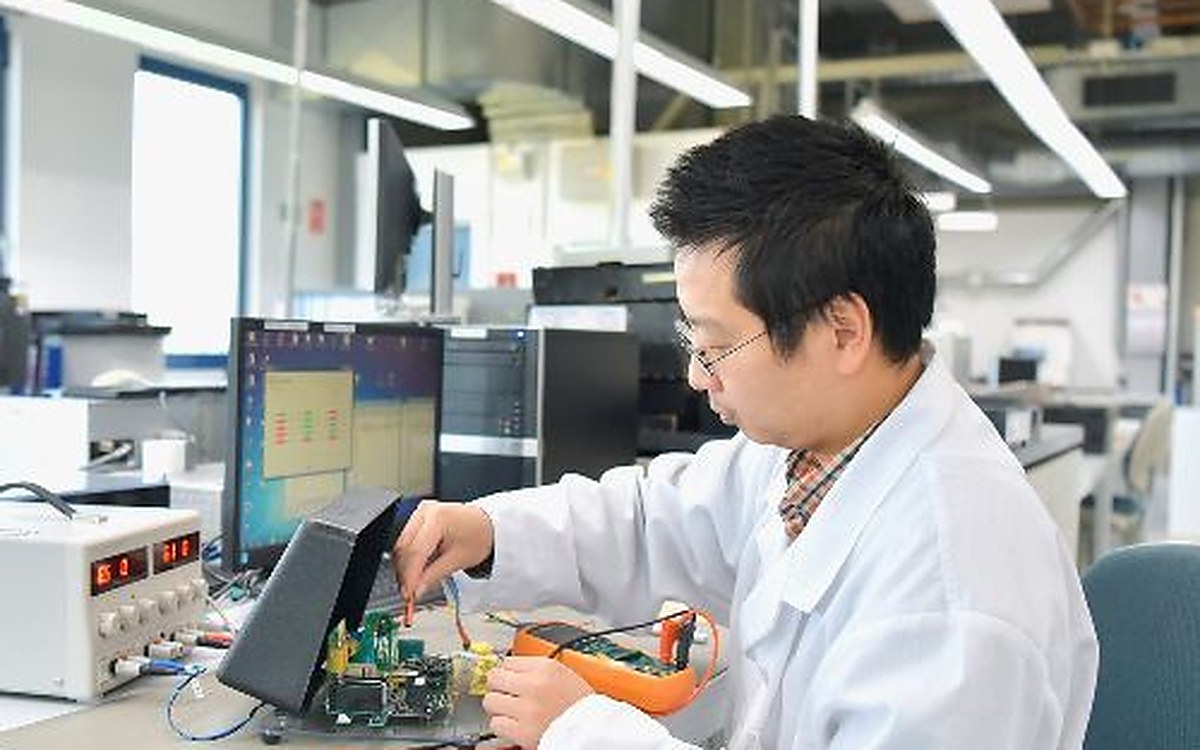 Shanghai
Most entry plans still open with distribution and treat brand as the thing that follows once volume justifies it. That order made sense when the constraint was shelf. The constraint now is credibility inside a small number of platforms where an unknown foreign brand is indistinguishable from a shell, and no amount of distribution fixes that.
Three assumptions worth retiring
First, that a category leader elsewhere arrives with equity here. It does not, and the years spent building it elsewhere are invisible. Second, that a local partner supplies the credibility. A partner supplies access; credibility is still yours to earn and yours to lose. Third, that the entry is reversible. Leaving is a story that follows the brand back into the region.
What a realistic first year looks like
Narrower than the plan usually is. One category, one platform, one clear reason to be believed, held for long enough that the second year has something to build on. The plans that fail are rarely underfunded. They are spread across enough surfaces that no single one accumulates anything.
You are not launching into a market. You are launching into two or three platforms, and they have their own rules about who gets to be taken seriously.
— Brandigo, Shanghai
Market entryBrand
More from the network
 SingaporeB2B & Market EntrySingapore is a bridgehead, not a marketCompanies keep buying Singapore-weighted programmes and reading the results as regional. The two things are barely related.
 Brew Interactive
 ShanghaiB2B & Market EntryThe China exit is being planned as badly as the China entry wasCompanies leaving or restructuring in China are making the mirror image of the mistakes they made arriving, and paying for it in reputation rather than in cost.
 Brandigo
 TokyoB2B & Market EntryThe Japanese B2B buyer reads everything before they contact youBy the time an enquiry arrives from a Japanese company, the evaluation is largely finished. Most regional programmes are still trying to start a conversation.
 Custom Media